Impact on Women & Young Girls
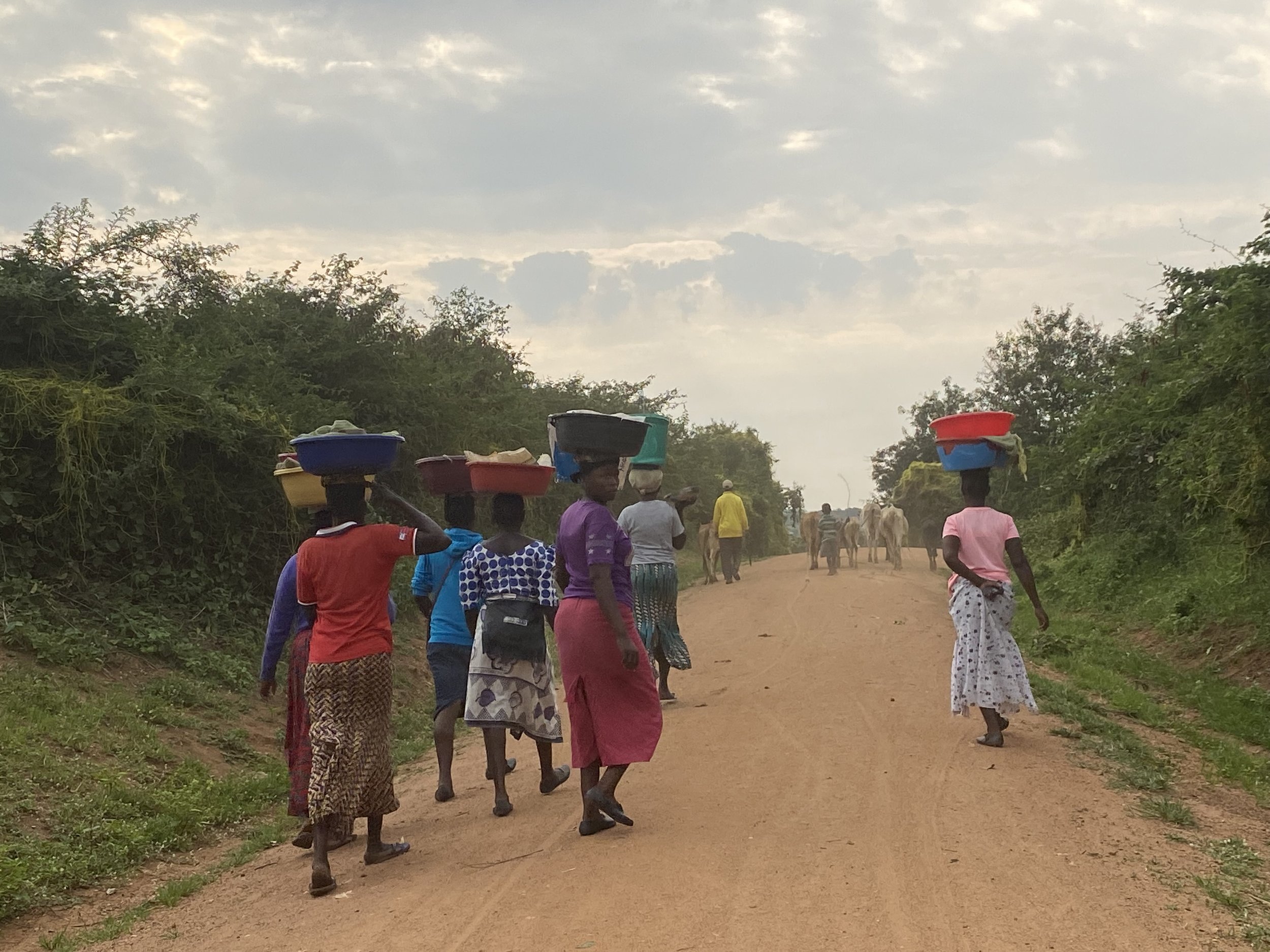
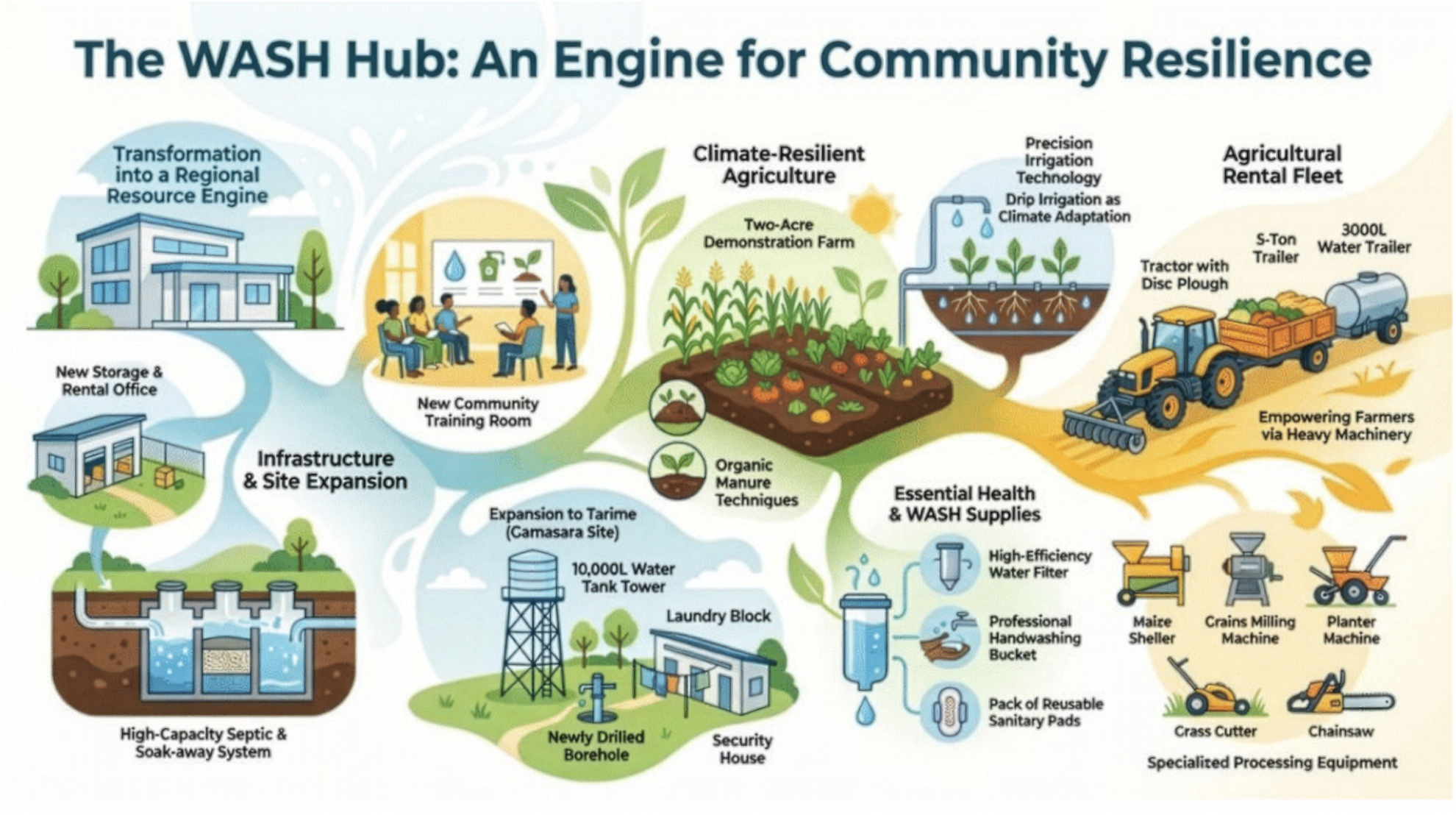
Women and girls are disproportionately affected by water scarcity, poor sanitation, and food insecurity. Yet, they are central to lasting solutions. WASH Hubs prioritize women-led education, strengthen household decision-making, and support income generation through agriculture.
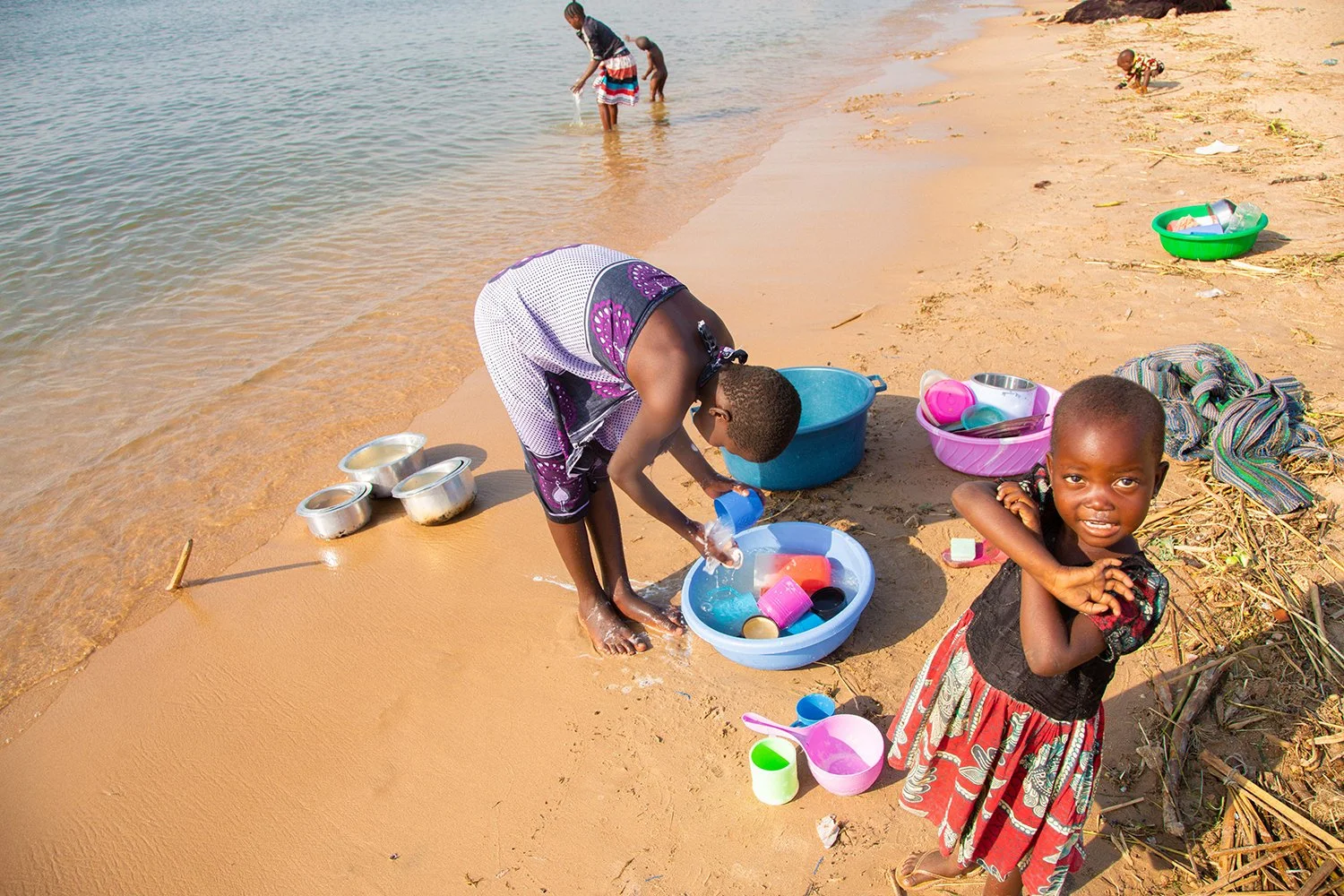
These efforts improve child and maternal health while building long-term resilience. By investing in women, communities see improved nutrition, better health outcomes, and stronger economic stability that benefit current and future generations.
Other Ways You Can Help

Even if you are not able to give to our WASH Hub campaign financially, you can still be part of this exciting journey. You can join MSG in spreading awareness in person and on social media about the global WASH crisis and inhumane conditions that billions of people still live in.
Nearly 10% of the global population lives in extreme poverty,
16% does not know where to get a jug of clean water, and 1 in 4 health care facilities does not have consistent access to clean water.
Access to clean water and good health is a prerequisite to all other human rights. It is upon us all to work towards solving the injustices that far too many people still face every day.
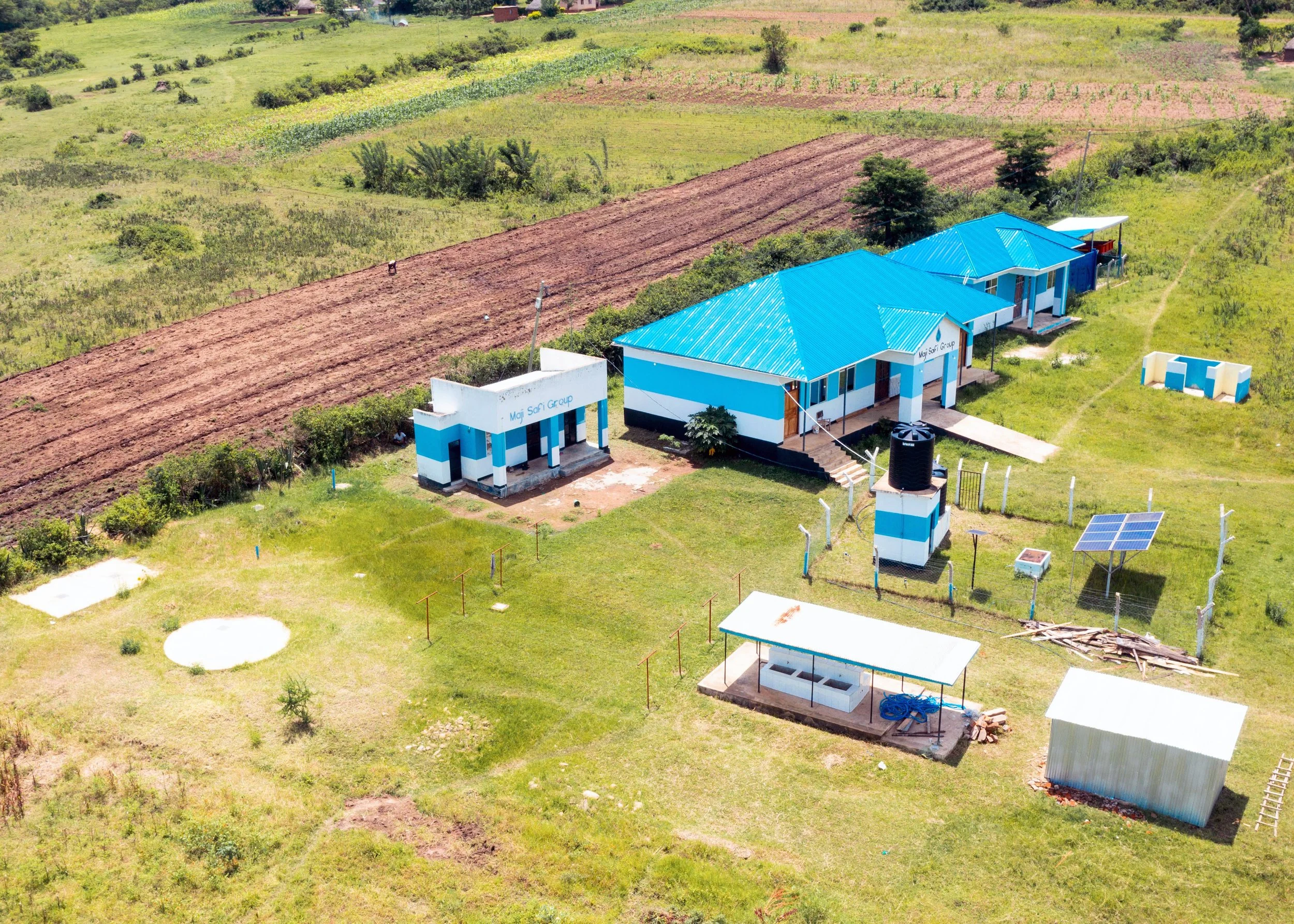
This project has NO overhead costs, and up to this point, all labor for project planning has been donated by a dedicated group of development workers, architects, construction managers, and videographers that believe in the hope that WASH Hubs will bring.
To build just the infrastructure in the US would be between
3-4 million dollars, but in Tanzania, we can build the whole center, buy the initial inventory to start generating income, and pay our staff of 20 for one year for only $400,000!