Since 2012, Maji Safi Group (‘Clean Water Group’ in Swahili) has successfully provided solutions to help Tanzanians out of poverty.
A WASH Hub is a new innovative concept for developing community centers focused on agriculture and created in cooperation with Maji Safi Group.
MSG started building the first WASH Hub in the Rorya District of Tanzania at the end of 2022. We believe that the best way to alleviate poverty is by providing people with technology, education, access to finance, and good WASH infrastructure and knowledge, so they can generate income to improve personal and public health.

Water
The WASH Hub is centered around a water source that provides clean water for household and agricultural use to surrounding communities.

Agriculture
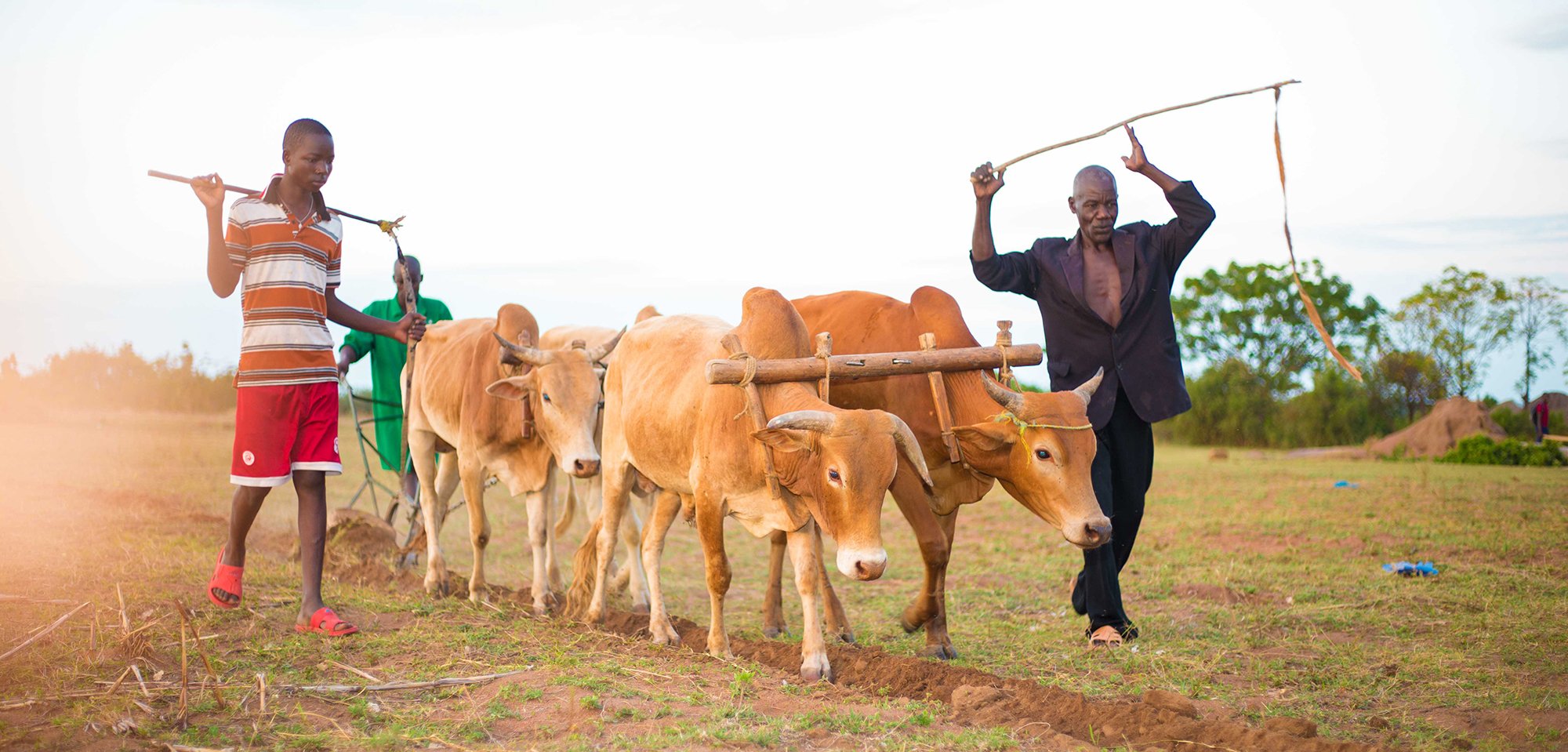
The WASH Hub provides capacity building, mechanization options, and access to new technologies and agriculture inputs (seeds and fertilizers).

Sanitation
The WASH Hub showcases several demonstration toilet options while promoting environmental cleanliness.

Hygiene
Maji Safi Group’s Community Health Educators have over 14+ years of experience teaching healthy habits and disease prevention. In the end, prevention is always cheaper than treatment.
Risks & Challenges
As with any new project, the WASH Hub campaign comes with risks and challenges:
Working in rural Tanzania can mean unreliable roads, sudden inflation, and bureaucracy.
The WASH Hub may not generate the expected income to cover operational costs the first couple of years.
Being at the tail end of the global COVID pandemic, restrictions on workers, inefficient supply chains, and other unexpected consequences may occur.
Our experience working in the Rorya District
While these risks are real and could potentially disrupt WASH Hub progress, Maji Safi Group believes that our 10+ years of experience working in the Rorya District and our close relationship with the government and important civil society stakeholders will enable us to implement this project as planned. So far, the WASH Hub has stayed on our planned timelines and come in right on budget.
During the planning process, we took these risks into account and created contingency funds and financial commitments to make sure that the project will be achievable and sustainable.
Our commitment
While so many things have changed over the past couple of years, and will continue to do so in the future, life must go on. MSG is committed to tackling any challenge as we work to improve the livelihoods and health of Tanzanians living in extreme poverty.
Making a big difference
with a small investment
In the communities where MSG works, many people live on only a couple of dollars a day, and a middle-income household makes between $150-300 per month.
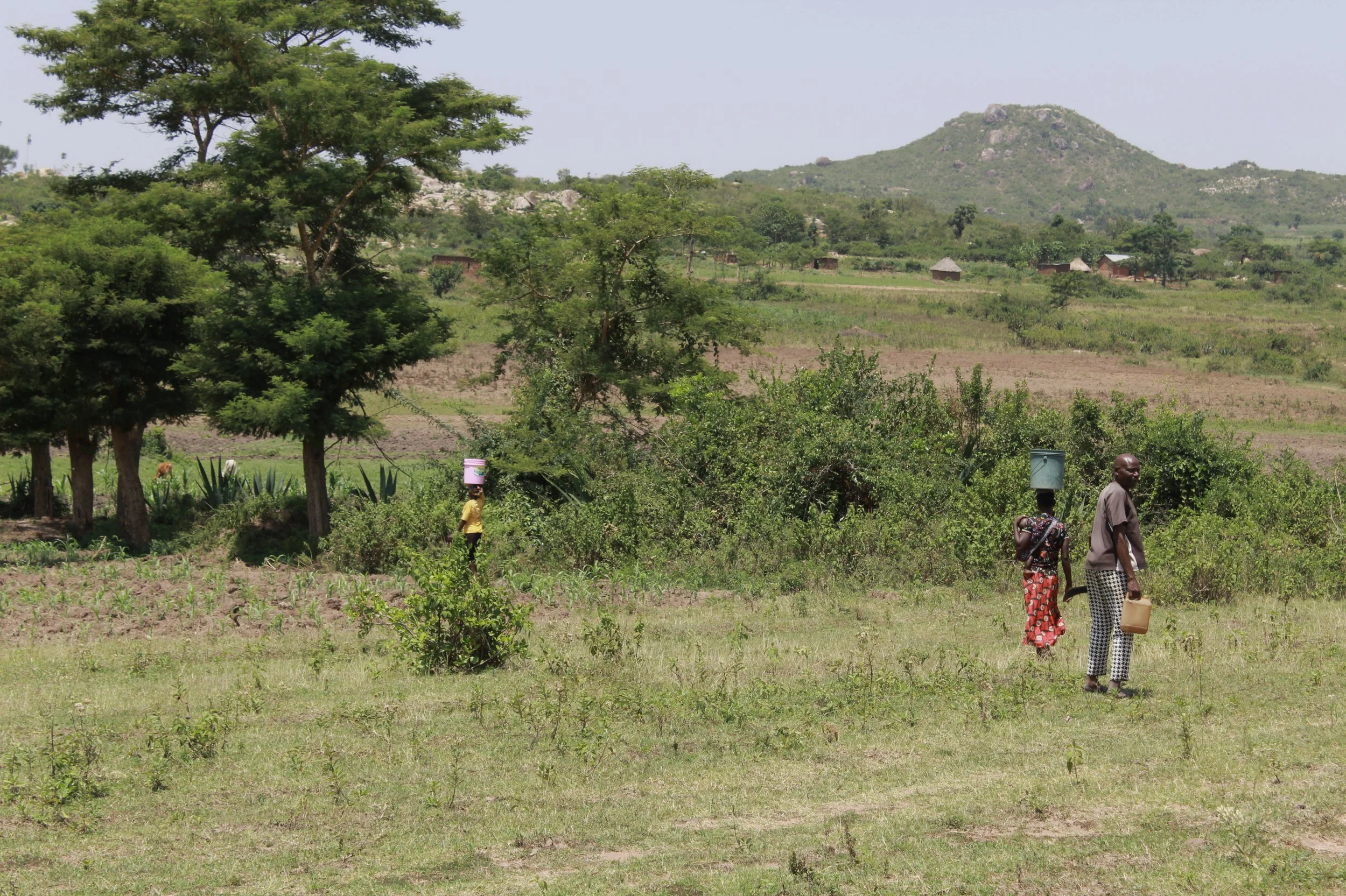
Improving access to water reduces the physical burden of carrying heavy loads of water often bestowed upon women and children. Similar projects have seen improved health, increased income for women, and increased school attendance for girls.
Similar small-scale agricultural projects have seen households increase their income by nearly 10% due to increased yields. Families enrolled in similar programs have also experienced an increase in assets, creation of new businesses, higher school spending and attendance, and a decrease in hunger.
Similar market-driven sanitation campaigns have catalyzed an increase in latrine construction, which leads to a significant decrease in open defecation, fewer diarrheal incidents among children, improved water sources, and better environmental health.
Just for clarity, there is no direct financial return for supporters of this not-for-profit initiative, but Tanzanian communities will receive a significant return on your investment in the form of improved health and an increased standard of living.