
Agriculture | Nutrition | WASH (ANWA)
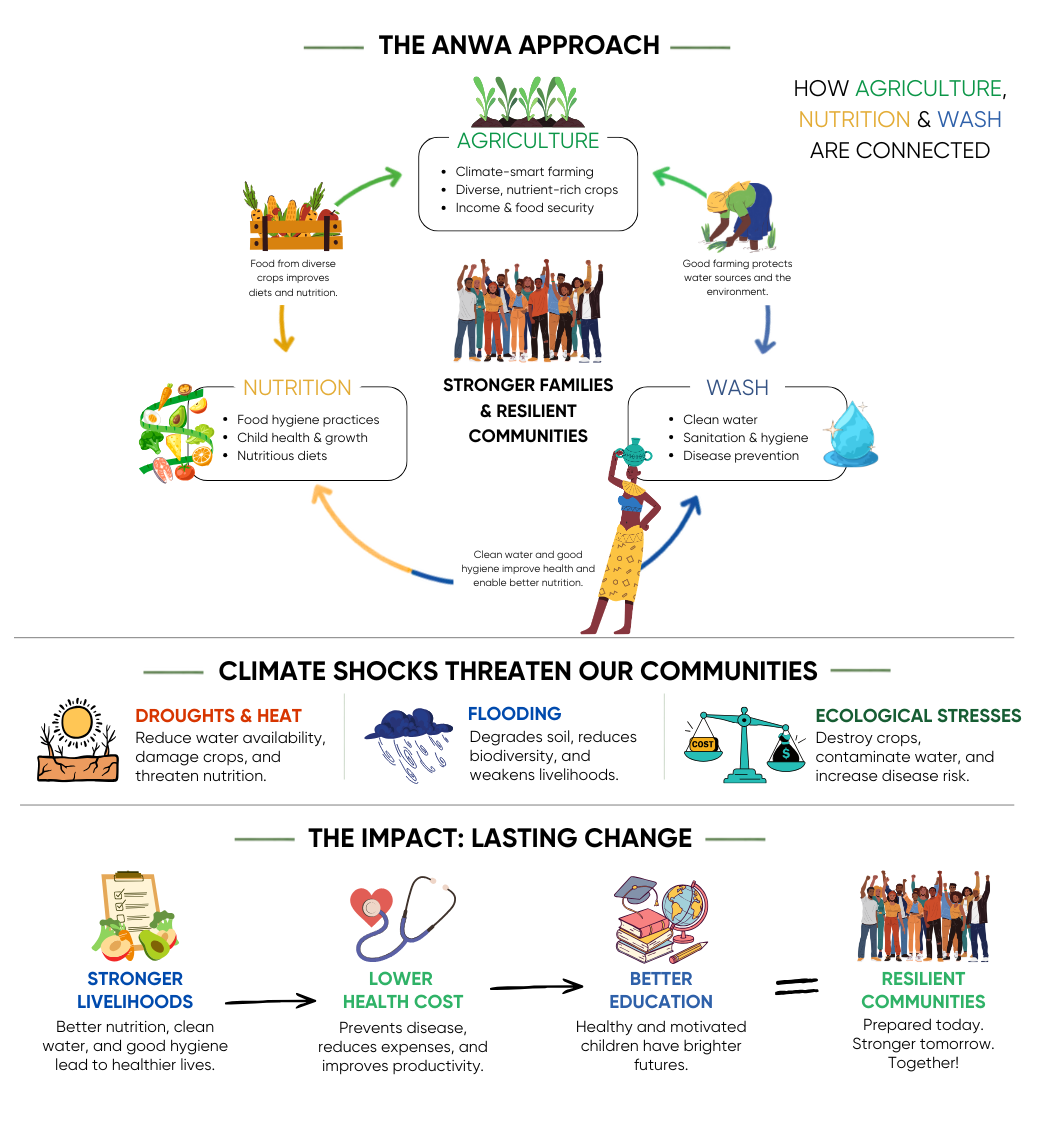
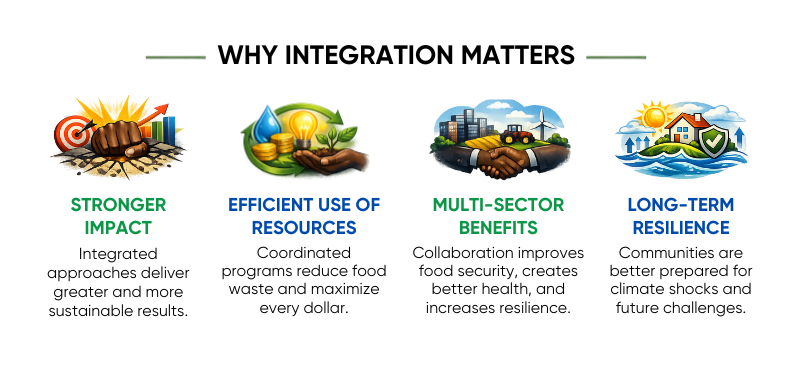
Our Agriculture | Nutrition | WASH approach recognizes that water, food, and health are deeply interconnected. Agriculture provides food and income, nutrition determines health and productivity, and WASH conditions influence how effectively nutrients are absorbed.
By integrating these systems, we achieve stronger and more sustainable outcomes. Through community education, demonstration farms, and local extension workers, WASH Hubs help families adopt practices that improve diets, increase yields, and strengthen overall well-being.
Our Solutions
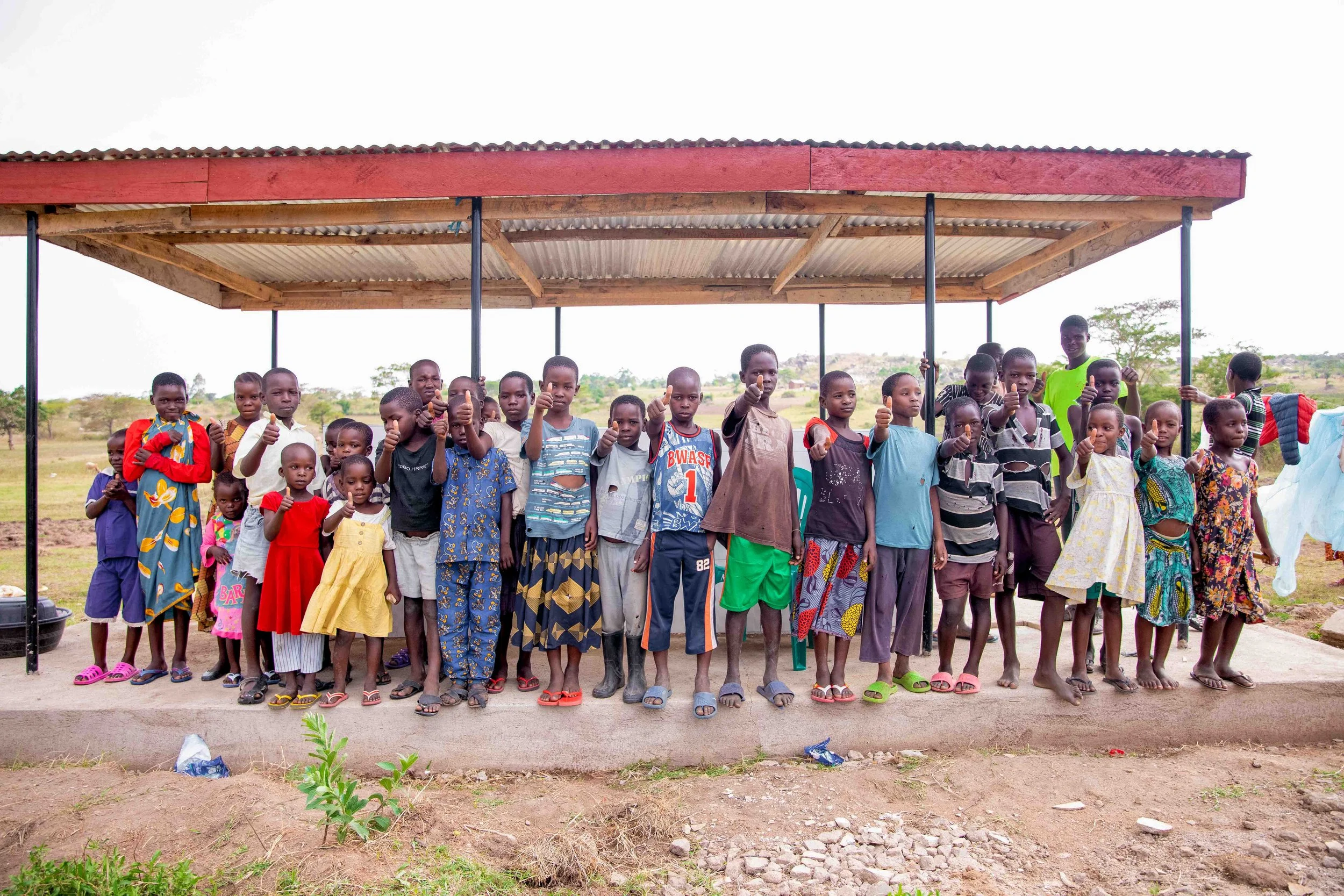
WASH Hubs continue to grow and serve communities.
What began as a small idea and a partnership with a single village government has grown into one of Maji Safi Group's most promising community development initiatives. In late 2022, MSG broke ground on its first WASH Hub at Sokorabolo with the goal of creating a place where clean water, health education, and economic opportunity could come together. By early 2023, the site was providing free water services, laundry facilities, hygiene education, and a gathering place for community members to learn about health, disease prevention, and menstrual hygiene.
The success of that first hub quickly demonstrated the potential of the model. What started as one site has now expanded into three growing locations across the Mara Region. Along the way, the hubs have evolved to include agricultural demonstration activities, training facilities, mechanization services, and income-generating opportunities that help support long-term sustainability. Today, the WASH Hubs continue to grow and serve as community anchors that improve access to water, strengthen livelihoods, and create healthier, more resilient communities. Each new step builds on the simple belief that lasting development happens when communities have the resources and opportunities to drive their own future.